Any organism needs vitamins, even plants. Plants can synthesize vitamins on their own. The human body is not able to provide itself with vitamins, except for vitamins D and some from group B under certain conditions. For millions of years, people have been getting all the necessary vitamins from food.
Vitamins, along with trace elements, are micronutrients. Water-soluble vitamins are C and the entire group B. Fat-soluble vitamins A, D, E, K are sometimes called lipovitamins.
Vitamin A is rich in: cod liver oil, beef liver, carrots, red rowan, chicken egg yolk, parsley, celery greens, dill, spinach, sorrel, rose hips, dried apricots, ghee, butter. The human body’s daily requirement for vitamin A is 1 mg.
Vitamin B1 is found in: sunflower seeds, sesame, soybeans (grain), peas (shelled), pistachios, sunflower halva, peanuts, pollock caviar, red granular caviar, meat (pork), cashews, beans, lentils, oatmeal, hazelnuts, wheat (grain), rye (grain), buckwheat, millet (polished), walnuts. The body’s daily requirement for vitamin B1 is 1.5 mg.
Vitamin B2 is found in: beef liver, dry milk, beef kidneys, egg powder, dry cream, almonds, sesame, quail eggs, chicken eggs, red caviar, black caviar, mackerel, herring, cheeses (Feta, Suluguni, Swiss, Camembert, Roquefort, Dutch, Cheddar, Parmesan, Gouda, Adyghe, Poshekhonsky), cottage cheese, mushrooms (aspen mushrooms, champignons, honey mushrooms, oyster mushrooms, chanterelles, porcini, russula). The daily requirement of the body for vitamin B2 is 1.8 mg.
Vitamin B3 (vitamin PP) is rich in: peanuts, sunflower seeds, tuna, egg powder, beef liver, beef kidneys, meat (turkey, chicken, rabbit, beef), mackerel, horse mackerel, Atlantic salmon (salmon), chum salmon, herring, pink salmon, sprat, squid, red caviar, sesame, soybeans (grain), wheat (grain), mushrooms (honey mushrooms, aspen mushrooms, white mushrooms), dry milk, peas (husked), buckwheat, The daily requirement of the body for vitamin B3 is 20 mg.
Vitamin B4 is rich in: egg powder, quail egg, chicken egg, soybeans (grain), meat (turkey, chicken, pork, beef), pink salmon, herring, sour cream, dry milk, oats (grain), barley (grain), oatmeal, wheat (grain), rice (grain). The body’s daily requirement for vitamin B4 is 500 mg.
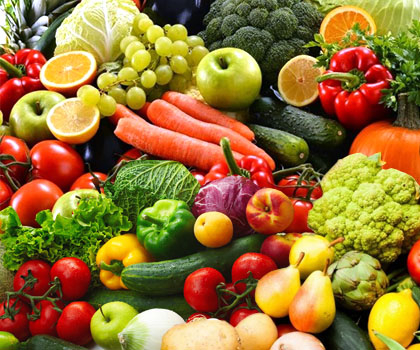
Vitamin B5 is rich in: egg powder, dry milk, Atlantic salmon, chum salmon, avocado, chicken egg, peanuts, hazelnuts, sunflower seeds, walnuts, soybeans (grain), peas (husked), beans (grain), lentils (grain), wheat (grain), oats (grain), rye (grain), barley (grain), rice (grain), green peas (fresh), cheeses (“Roquefort”, “Camembert”, “Russian” and others), herring, mackerel, pink salmon, herring, meat (chicken, turkey, lamb), cauliflower, corn, garlic, cilantro (greens). The body’s daily requirement for vitamin B5 is 5 mg.
Vitamin B6 is found in: pistachios, sunflower seeds, garlic, beans (grain), soybeans (grain),
walnuts, Atlantic salmon, mackerel, chum salmon, tuna, pink salmon, herring, black caviar, red caviar, sesame, hazelnuts, cashews, peanuts, wheat (grain), barley groats, rice (grain), millet groats (polished), barley (grain), pearl barley, rye (grain), buckwheat groats, peas (husked), meat (chicken, beef, turkey, pork), bell peppers, banana, feta cheese. The body’s daily requirement for vitamin B5 is 2 mg.
Vitamin B7 (vitamin H) is found in: chicken eggs, dry milk, soybeans (grain), peas (hulled), oats (grain), rice (grain), wheat (grain), barley (grain), meat (chicken), cod, cottage cheese. The body’s daily requirement for vitamin H is 0.05 mg.
Vitamin B9 is found in: peanuts, sunflower seeds, walnuts, hazelnuts, sesame, pistachios, cod liver (canned), Camembert cheese, soybeans (grain), beans (grain), lentils (grain), avocado, cilantro, parsley, spinach greens, Chinese cabbage, basil, broccoli, rye (grain), wheat (grain), black caviar, red caviar. The body’s daily requirement for vitamin B9 is 0.4 mg.
Vitamin B12 (a group of biologically active substances containing cobalt) is found in: oysters, mussels, octopus, mackerel, herring, black caviar, red caviar granular, liver, heart, kidneys. beef, pork, lamb, turkey, eggs, cheese. The daily requirement of the body for vitamin B12 is 0.0025 mg.
Rich in vitamin C: rose hips, sea buckthorn, bell peppers, currants, kiwi, parsley, cabbage (Brussels sprouts, broccoli, cauliflower, red cabbage, kohlrabi, white cabbage), dill, red rowan, orange, strawberry, horseradish, spinach greens, grapefruit, lemon, tangerine, mango, leeks, parsley. The daily requirement of the body for vitamin C is 70 mg.
In addition to sun exposure, vitamin D can be obtained from food: fish oil (cod liver oil), herring, chum salmon, mackerel, Atlantic salmon (salmon), pink salmon, tuna, pollock, black caviar, red caviar, chicken eggs, ghee and butter, Cheddar, Swiss and other cheeses. The daily requirement of the human body for vitamin D is 0.001 mg. Vitamin D improves the absorption of sodium.
The daily requirement of vitamin E can be obtained from 50-100 grams of sunflower oil, sunflower seeds, mayonnaise, almonds, hazelnuts, peanuts, peanut or olive oil. For variety, with a content of 50 to 20% of the daily requirement in 100 grams, vitamin E can be obtained from such products as: black caviar, red caviar, pollock caviar, walnuts, sesame, pistachios, dried apricots, cilantro, spinach, wheat (grain), rye (grain). The body’s daily requirement for vitamin E is 10 mg.
Vitamin K is rich in: parsley, watercress, leaf lettuce, spinach, basil, cilantro, green onions (feather), cabbage, prunes, pine nuts, cashews, celery (root), kiwi. The daily requirement of the human body for vitamin K is 0.12 mg.
To take the first step in the issue of proper balanced nutrition, we recommend downloading FatSecret to https://antiage.click/en/downloads on your Android tablet or smartphone, iPhone, iPad, or other mobile devices.