All food addictions can be divided into two types: chemical and mental. The first group of addictions is characterized by the presence of an active substance. This is how some scientists explain the craving for cheeses, fast food, sweet drinks, chocolate, confectionery and other sweet and salty products that create physical dependence. Mental addictions are expressed in behavioral disorders. The most typical are an obsessive interest in health systems, diets, fasting, a constant desire to eat, overeating, indiscriminate eating, and the like. To take the first step in the issue of proper nutrition, we recommend download FatSecret on mobile devices.
This division of food addictions is convenient from the point of view of correcting eating behavior. If you know about an addiction to any harmful products, they can be immediately replaced with healthy analogues. After a few months, new habits will be consolidated. If necessary, the psychological aspect of eating disorders is corrected. Compliance with calorie-nutrition-protein-dietary-carbohydrate standards and sufficient level of physical activity will help speed up the process of getting rid of food addiction.
Physical or psychological cause of food addiction
There is a consensus in medicine that talking about physical cravings in food addiction does not make sense, such addiction to certain food products is psychological. Although there are studies showing that addiction to chocolate and cocoa bean products is caused by the presence of compounds similar to cannabinoids, stimulants and a number of other drugs. Also, recently there have been studies showing the presence of such narcotic substances as morphine and casein in dairy products, which easily turn into casomorphins (opiates). Some researchers explain cheese addiction by this. There is another explanation for chocolate and cheese addiction – the magical combination of fats and sugar, or fats and salt.
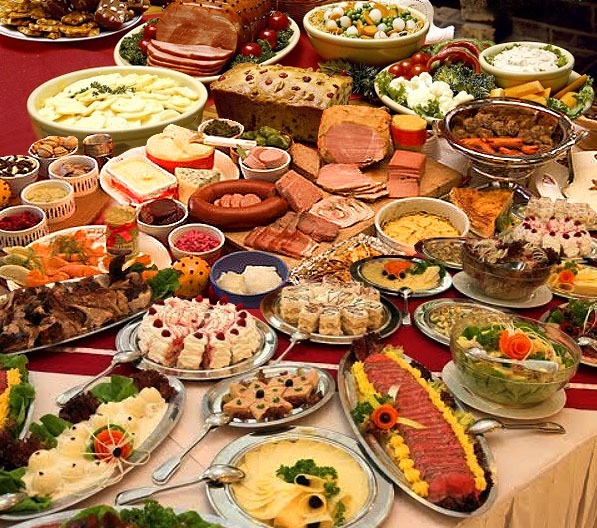
Food addiction is caused by many products containing fat and salt: hard cheeses, chips, sausages, snacks, French fries, hamburgers, pizza. It’s easy to get hooked on the combination of fat and sugar: cakes, pastries, buns, cookies, ice cream, chocolate, halva and sweet drinks.
Sweets trigger a release of insulin, which leads to a surge of dopamine. Processed meat, in addition to containing fat and salt, also causes a powerful release of insulin, leading to a surge in dopamine.
Dangerous food additives
Food substances that can cause or aggravate addiction and harm health include: dye (E100-E182), preservative (E200-E299), antioxidant (E300-E399), stabilizer (E400-E499), emulsifier (E500-E599), flavor enhancer (E600-E699 – including glutamate or sodium glutamate E621), antibiotics (E700-E799) antifoaming agents (E900-E999), other food additives, salt, sugar.
Hormonal regulation of food behavior
Human eating behavior is regulated not only by the homeostasis system, but also by the reward system. Such “happiness hormones” as dopamine and serotonin take an active part in the regulation of eating behavior.
The state of food addiction is determined by the use of food to overcome stress, anxiety, excitement or other negative emotional states, and not to satisfy a physiological need. In such cases, the experience is eaten with a treat or delicacy, which is accompanied by the production of dopamine.
A number of hypotheses explain the addictive potential of food by the increased content of carbohydrates (mostly refined carbohydrates), which enhance the production of serotonin, which improves mood. Starches and sugars, which are carbohydrates, are an effective source of energy for physical and mental activity. Excess carbohydrates, not processed into energy, are deposited as fat in various parts of the body. Carbohydrates are found in high-calorie foods containing white flour, refined sugar, starches, such as: cakes, pastries, buns, cookies, waffles, other sweets, chips, French fries, hamburgers, pizza, as well as other unhealthy foods.
On the other hand, the production of serotonin is hampered by a deficiency of such an amino acid as tryptophan. Such foods as hard cheeses, feta cheese, red caviar, fish (especially sea fish), squid, meat, legumes, nuts, sunflower seeds, cottage cheese, chicken eggs, oatmeal are saturated with essential tryptophan.
Overeating as a drug addiction
The process of eating activates the endogenous opioid system. Opiate receptor blockers have been shown to reduce appetite, the amount of food consumed, cravings for food. In terms of dopamine and serotonin production, the effect of eating a cake and baked horse mackerel with vegetables in the oven is similar, but these are two different strategies for food processing. It’s not just about emotions, but also about the amount of calories and nutrients that enter the body.
A person who constantly overeats stimulates the body to accelerate metabolism and increase energy metabolism. Hunger appears with a minimal drop in blood glucose concentration too quickly after eating. With systematic overeating and insufficient physical activity, there is a metabolic disorder, deposition of subcutaneous and visceral fat, weight gain and other dangerous consequences for health.
Extreme eating disorders
The development of one or another eating disorder, for example, overeating or starvation, leads to nervous anorexia, fear of being overweight or bulimia, obesity and similar problems.
Anorexia that occurs as a result of worries about excess weight, in extreme cases, is manifested by a refusal to eat and can be accompanied by mental disorders such as: depression, hysteria, schizophrenia, dementia, etc.
A person suffering from bulimia loses control over the quantity and quality of food consumed. Bulimia can be accompanied by a number of mental disorders: schizophrenia, mental retardation, organic brain damage, etc.